
About Tjaden Design
A landscape architecture practice rooted in craft, ecological integrity, and the conviction that good design begins with genuine understanding of the land.
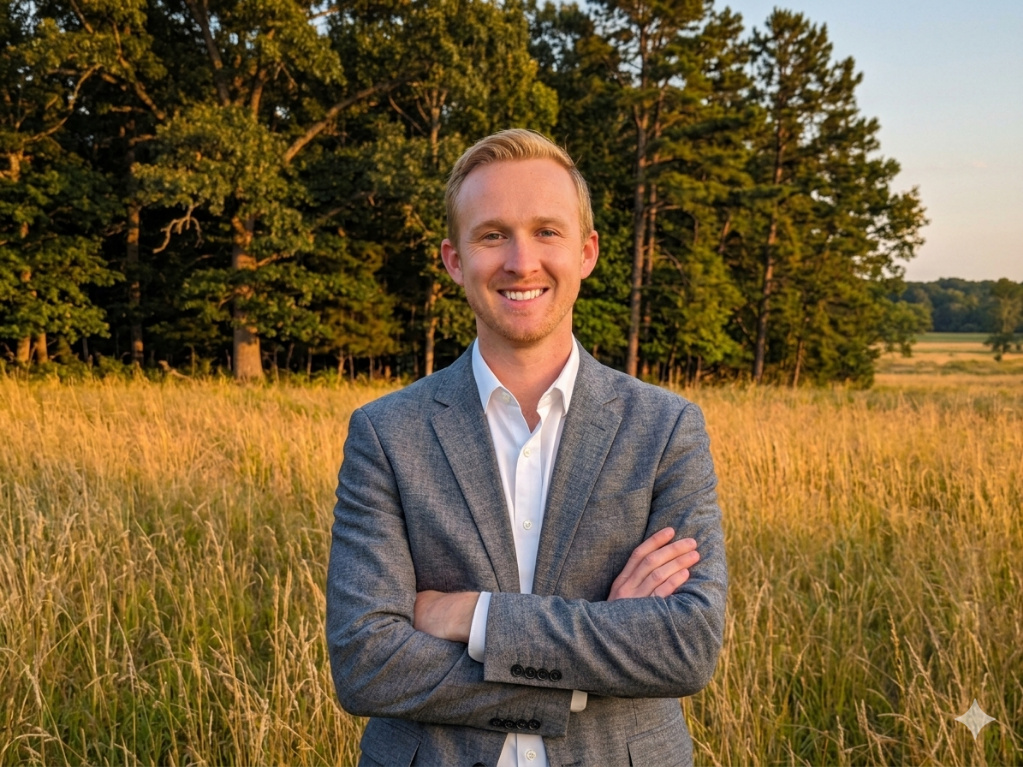
Robert Tjaden,
Professional Landscape Architect
Robert Tjaden is a Professional Landscape Architect with over two decades of experience across residential, commercial, and rural land development projects in Maryland and the Mid-Atlantic region. His practice is distinguished by a commitment to ecological sensitivity, technical rigor, and a design philosophy that draws as much from the land itself as from the drawing board.
Robert holds a Professional Landscape Architect (PLA) license and is registered with the Council of Landscape Architectural Registration Boards (CLARB), supporting licensure across multiple states. He is a member of the American Society of Landscape Architects (ASLA) and brings hands-on knowledge of sustainable land management through his management of The Bluebird Farmstead Project — a six-acre working property in rural Maryland where he actively practices the methods and technologies he recommends to clients.
This direct, firsthand experience is not incidental — it is central to how the firm operates. When Robert recommends a cover cropping strategy, a native planting palette, or a woodland management approach, it reflects years of personal trial, observation, and refinement on his own land.
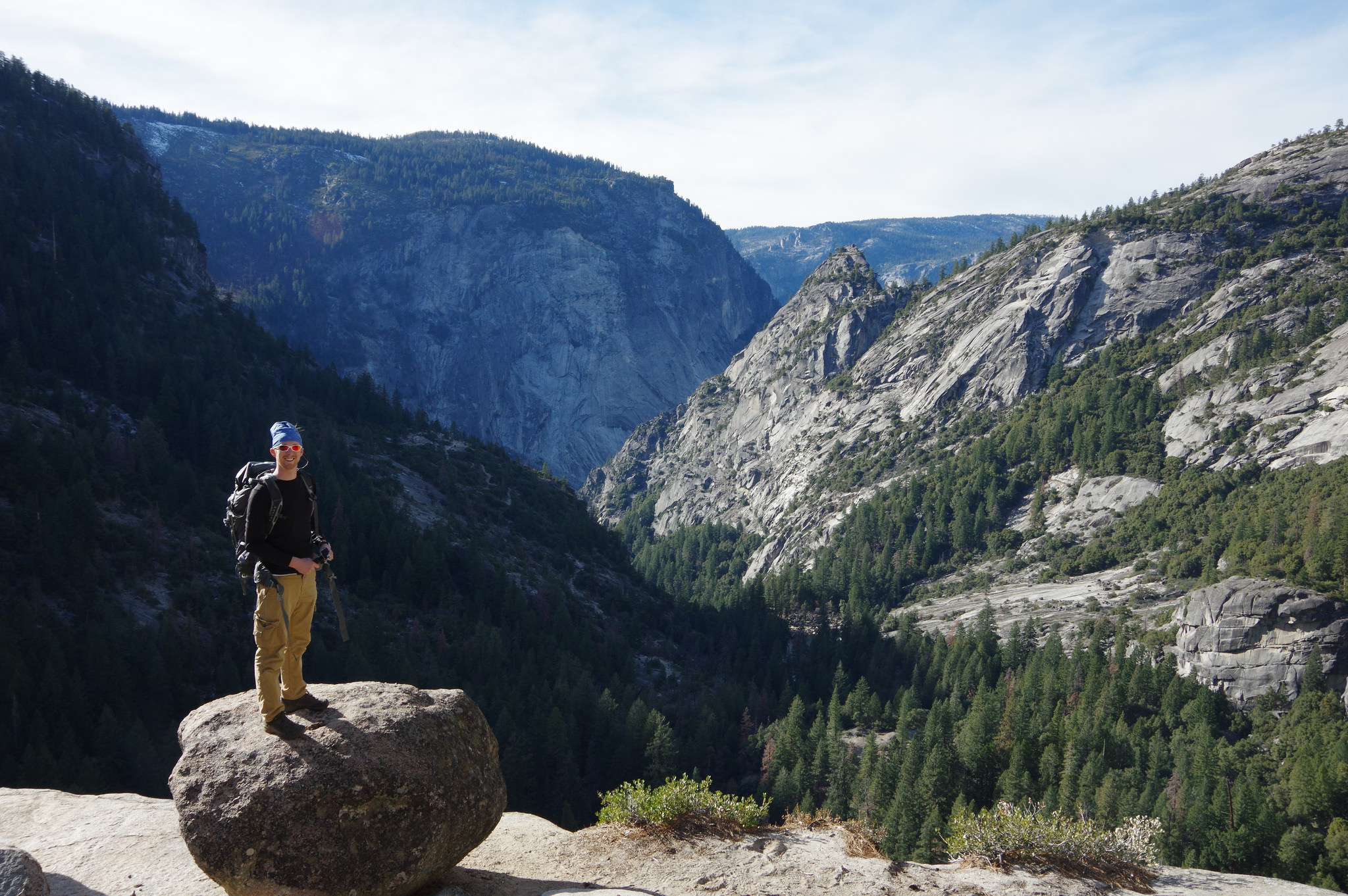
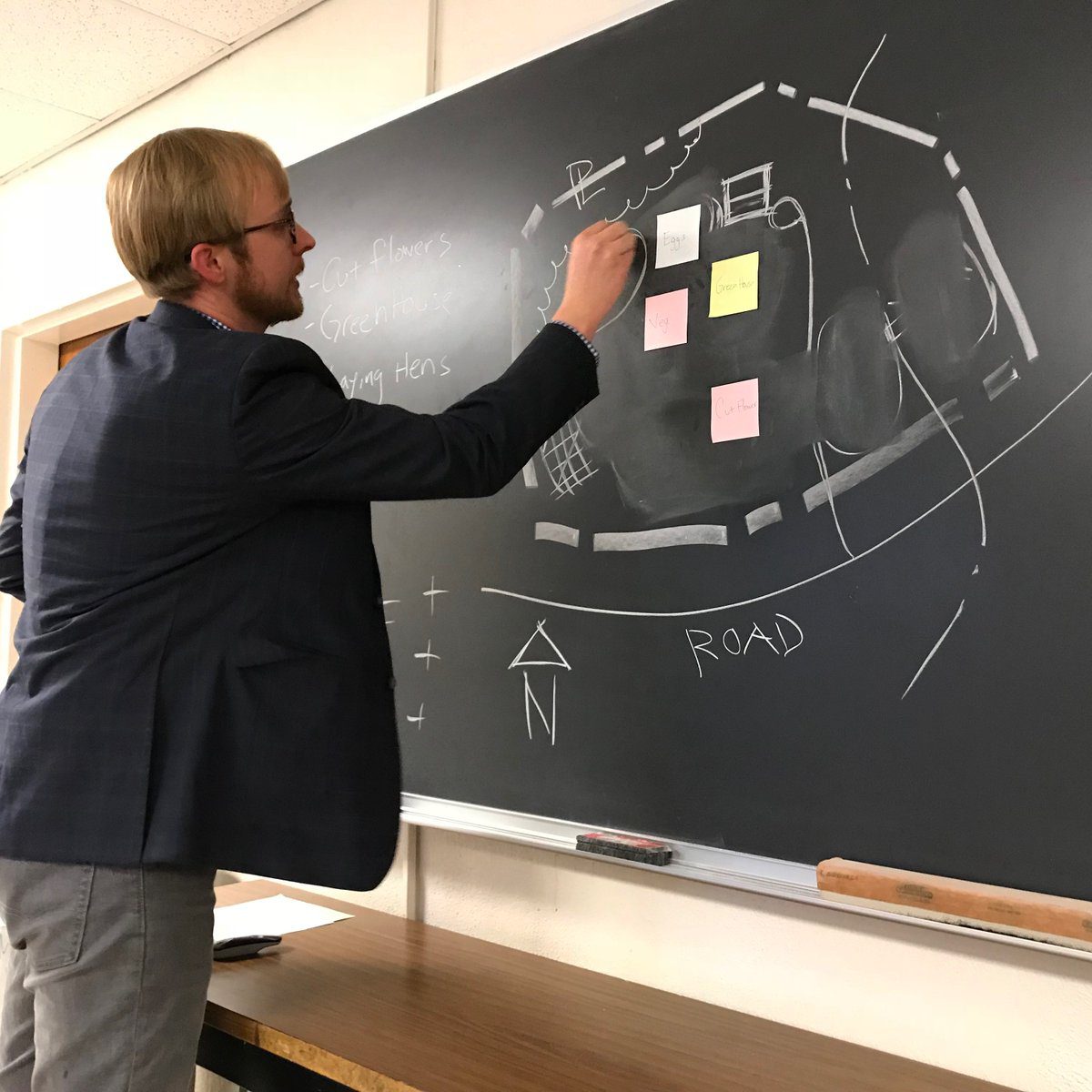
What guides our work
Every design decision is filtered through an ecological lens — respecting native systems, supporting biodiversity, and building landscapes that become more valuable over time.
We produce meticulous construction documentation and maintain close oversight during implementation — because a well-drawn plan deserves to be built well.
Our recommendations are grounded in direct experience. We put our methods to work on our own land before we bring them to yours.
The Bluebird Farmstead Project:
A Living Laboratory
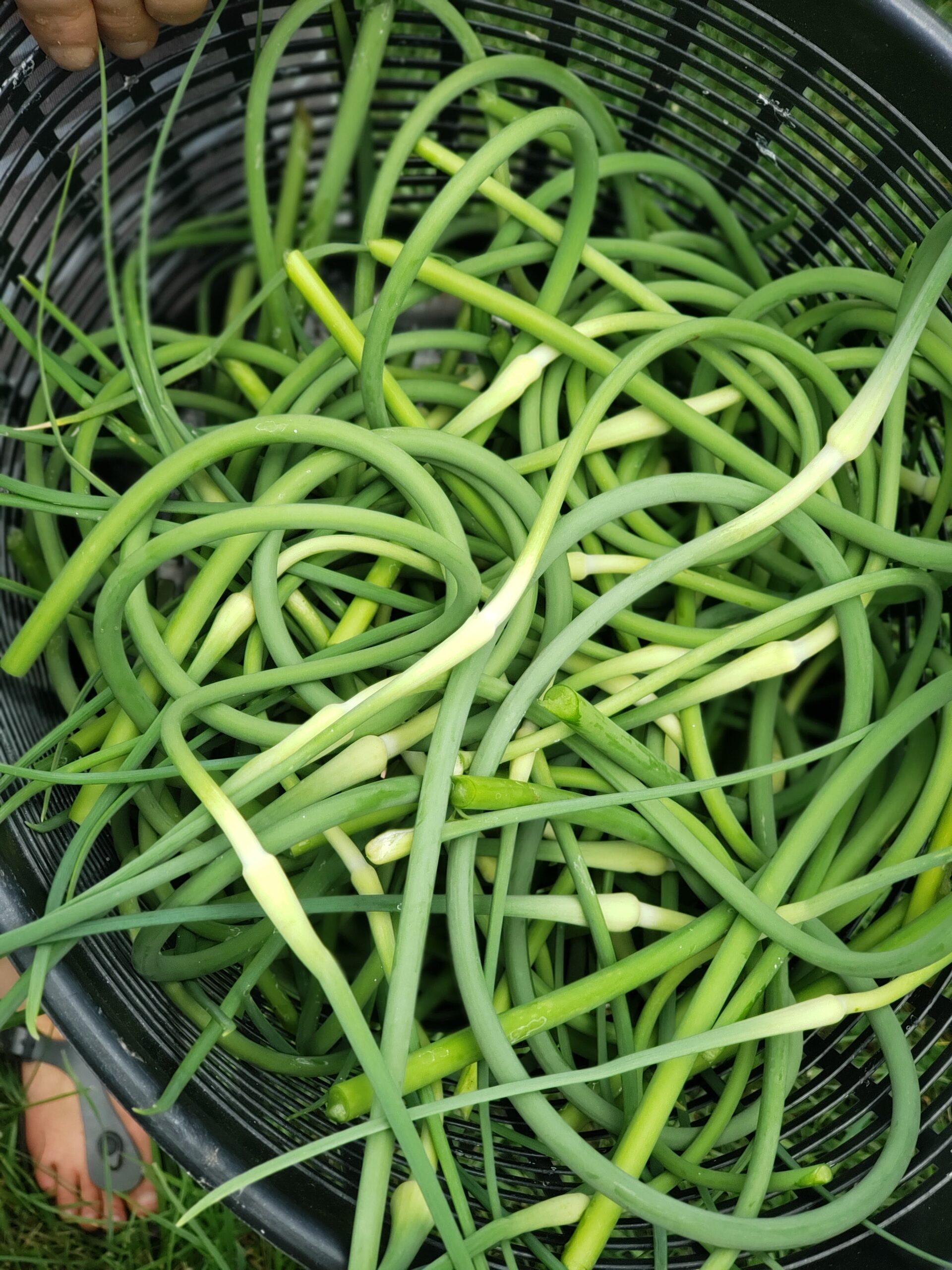
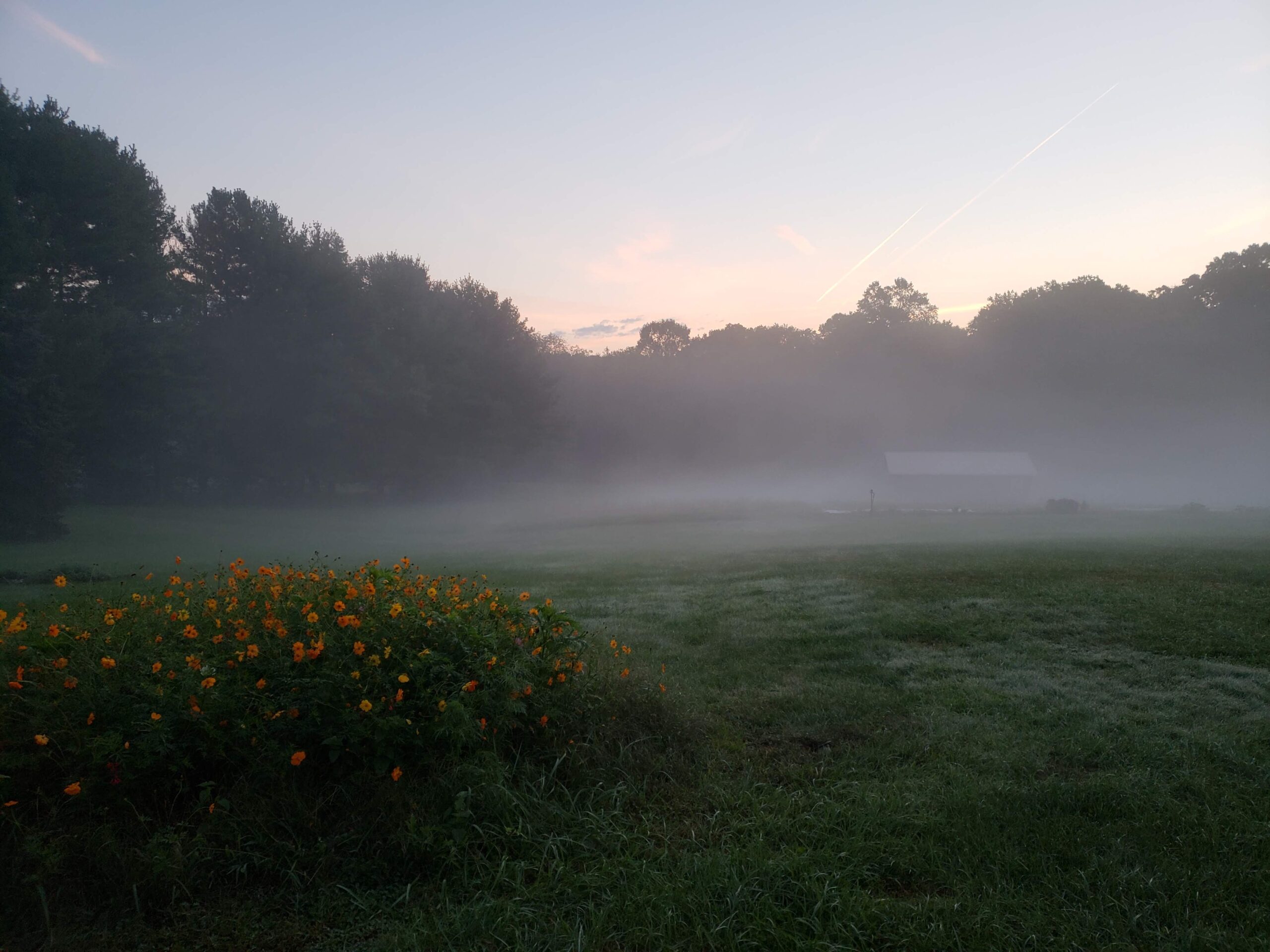
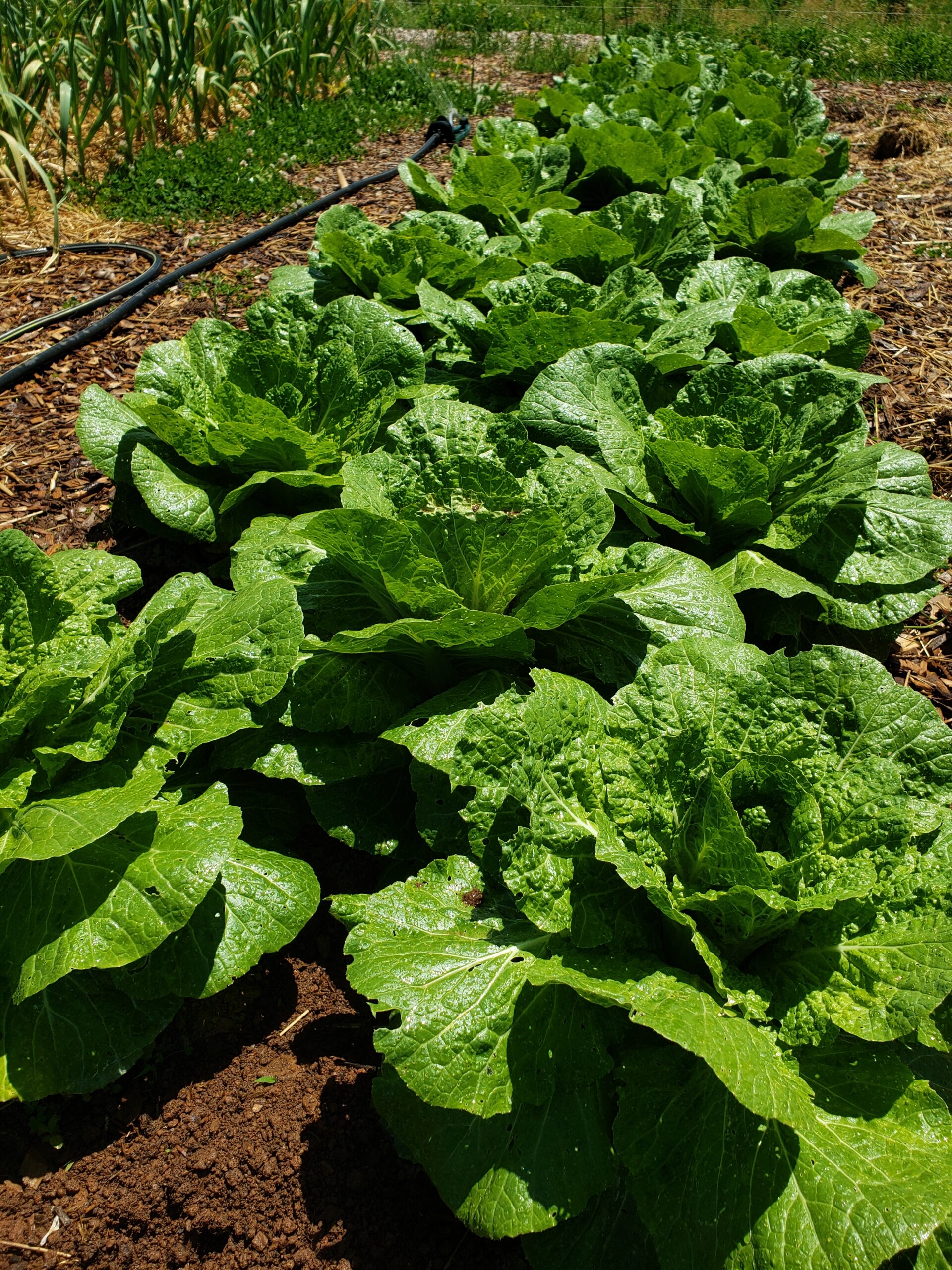
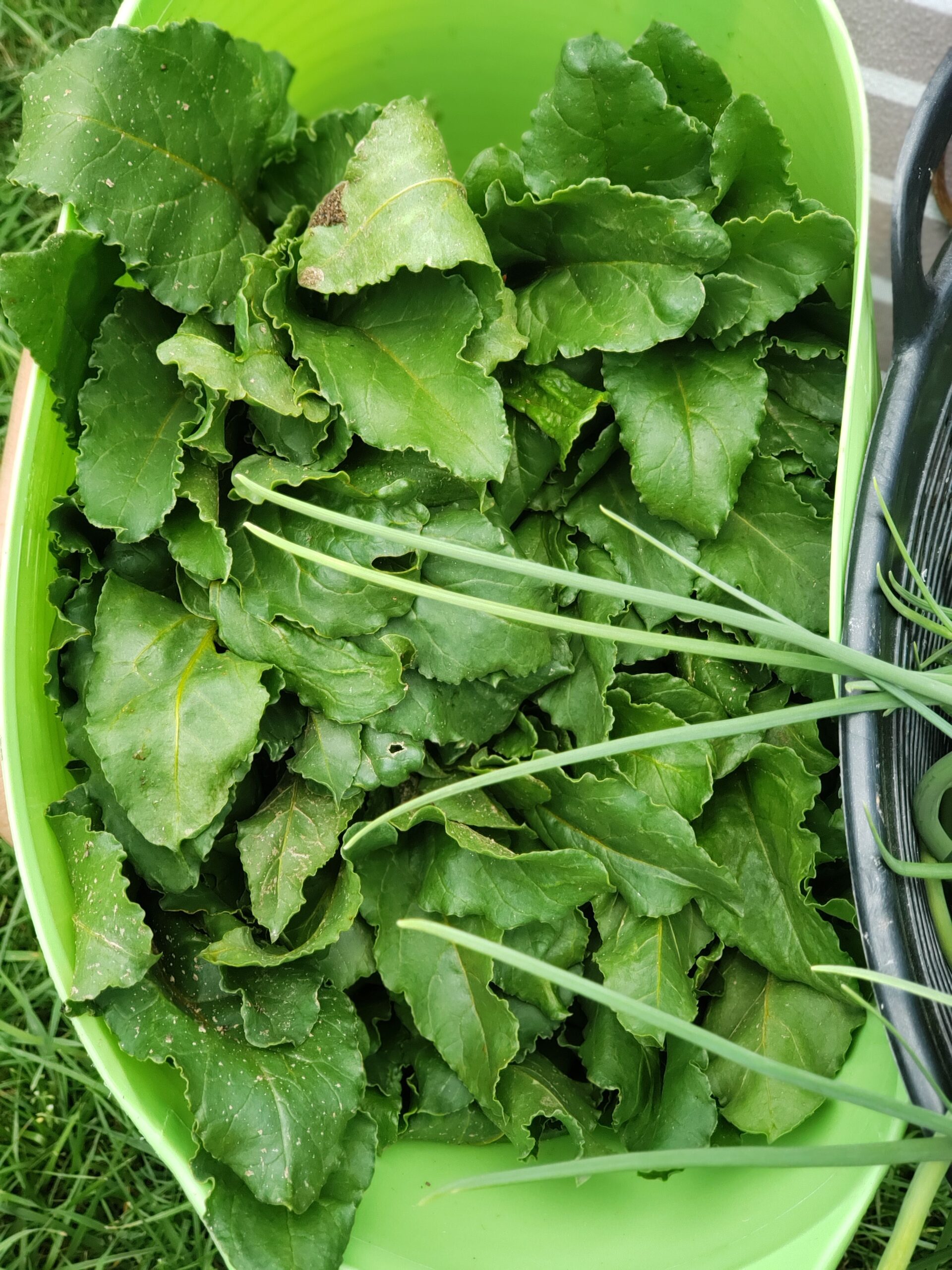
The Bluebird Farmstead Project is a six-acre sustainable farmstead managed by the Tjaden family in rural Maryland. Far from a decorative project, it is a working property where sustainable agricultural practices are tested, refined, and proven in real conditions before being recommended to clients.
The farmstead operates entirely without synthetic herbicides. Cover crop rotation keeps soil biology active between production seasons, and every management decision is made with long-term soil health as the primary metric. When we sit across the table from a landowner and suggest eliminating herbicide use, it is not a theoretical recommendation — it is a practice we have lived for years.
This on-the-ground experience translates directly to better client outcomes. We understand the challenges, the learning curve, and the genuinely rewarding results that come from managing land the right way.
Multi-species cover crop mixes managed for soil biology, weed suppression, and fertility — without synthetic inputs.
The entire property is managed without synthetic herbicides, relying on mechanical, biological, and cultural controls.
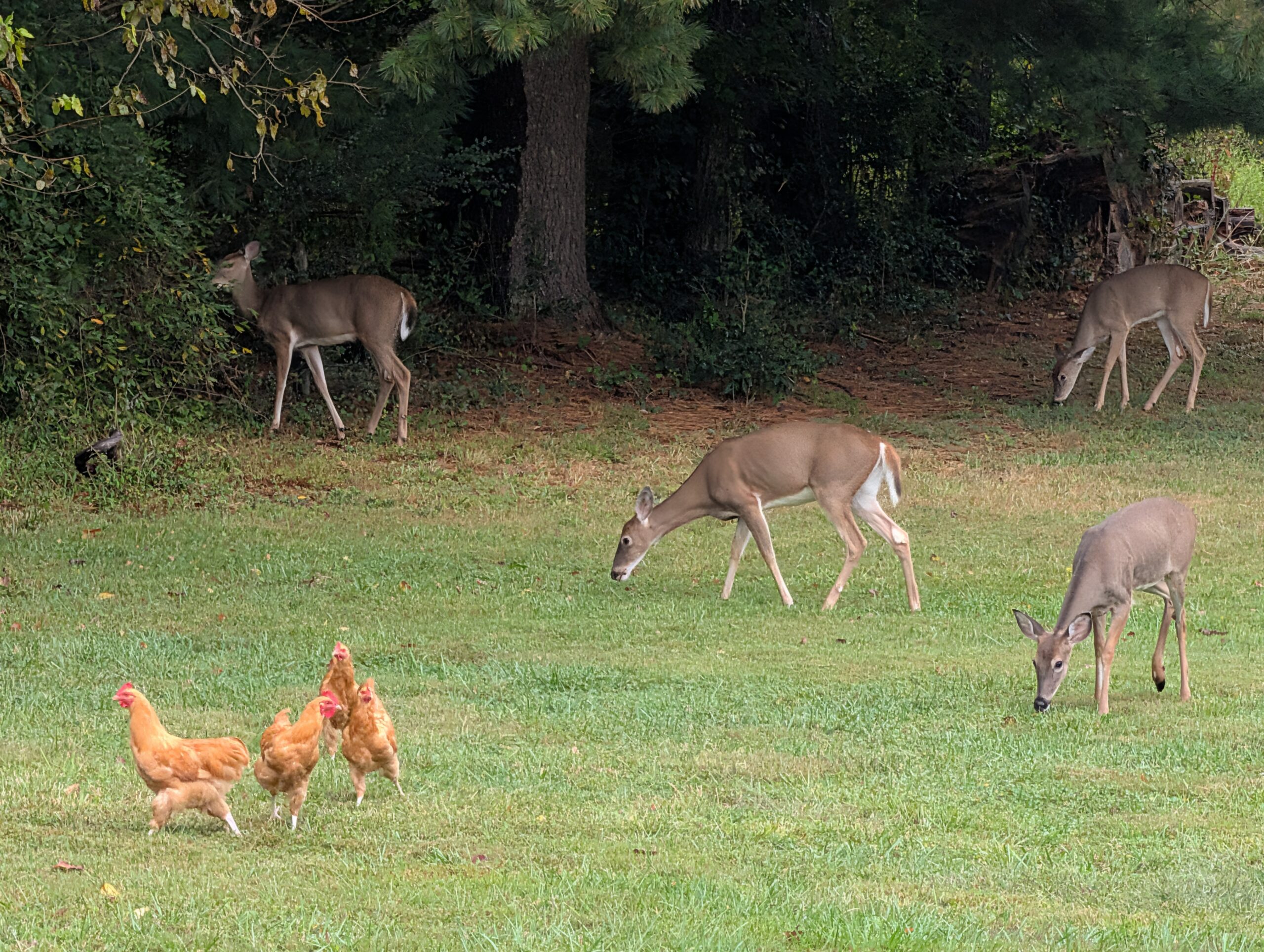
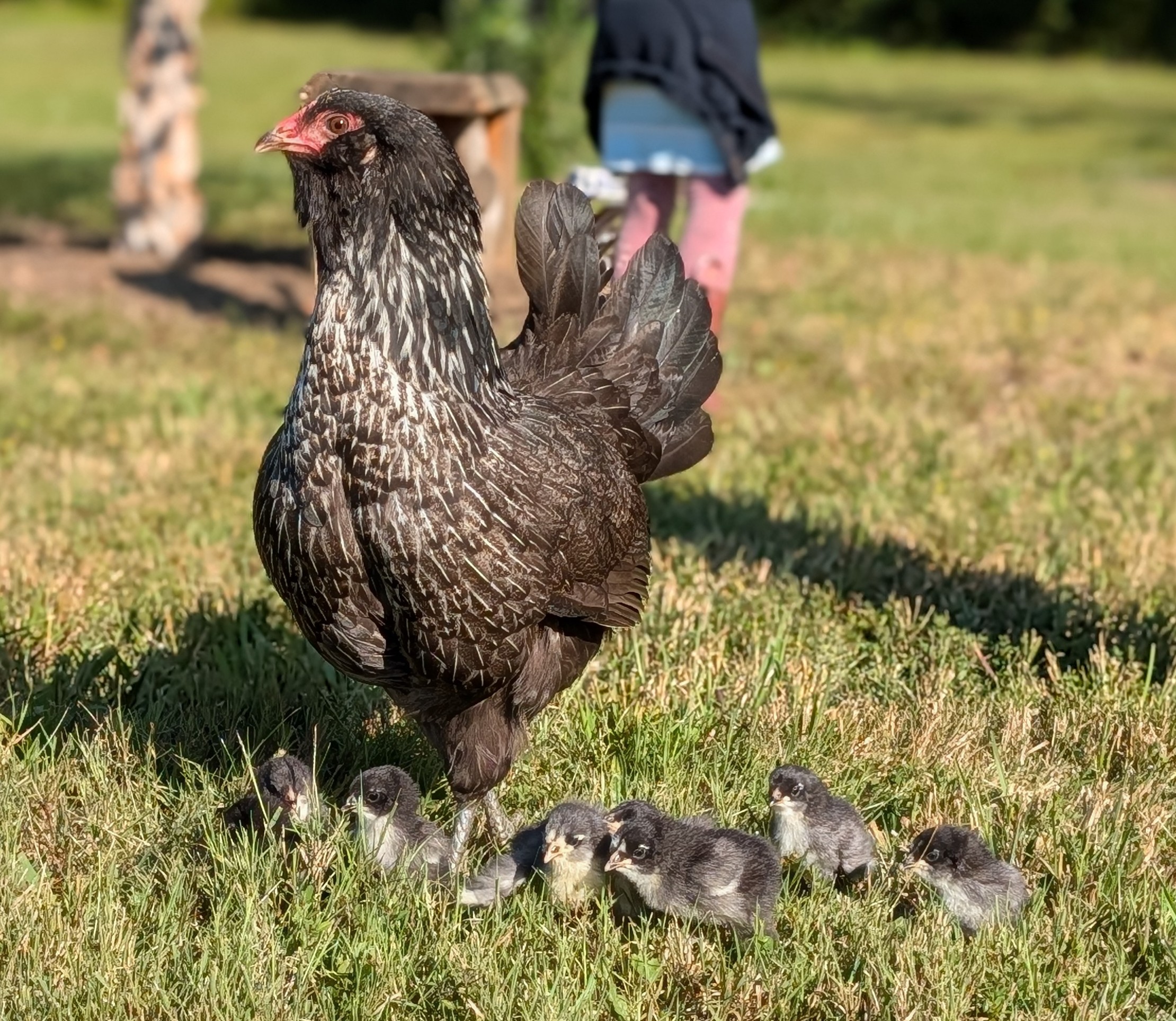
A managed laying flock contributes to pasture fertility and integrated pest management as part of the overall farm system.
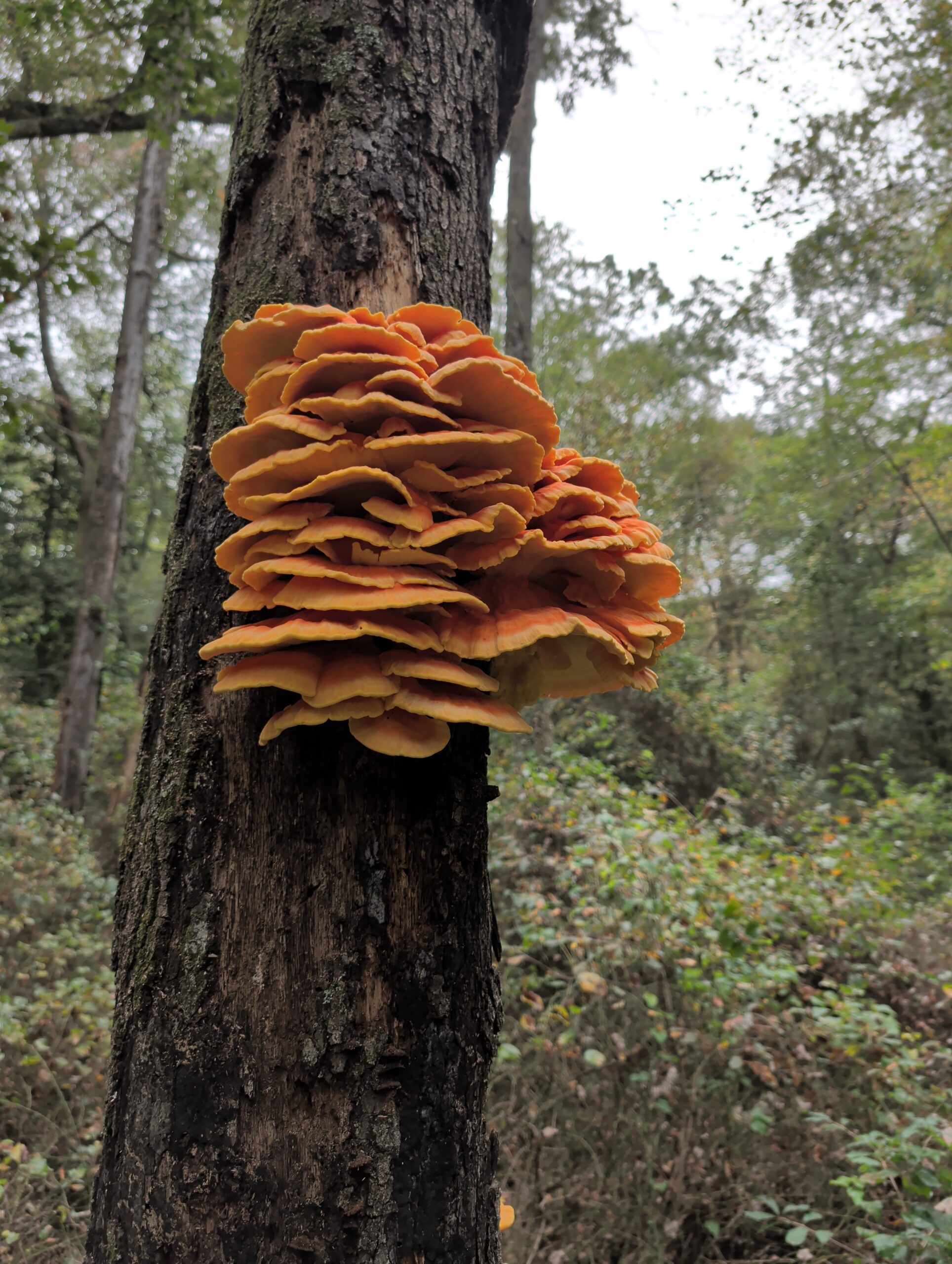
Cultivated mushroom production utilizing on-site woody substrate — a model for productive use of woodland resources.
A diverse heritage fruit orchard managed using low-spray and IPM approaches, with emphasis on species and variety selection suited to the Mid-Atlantic climate.
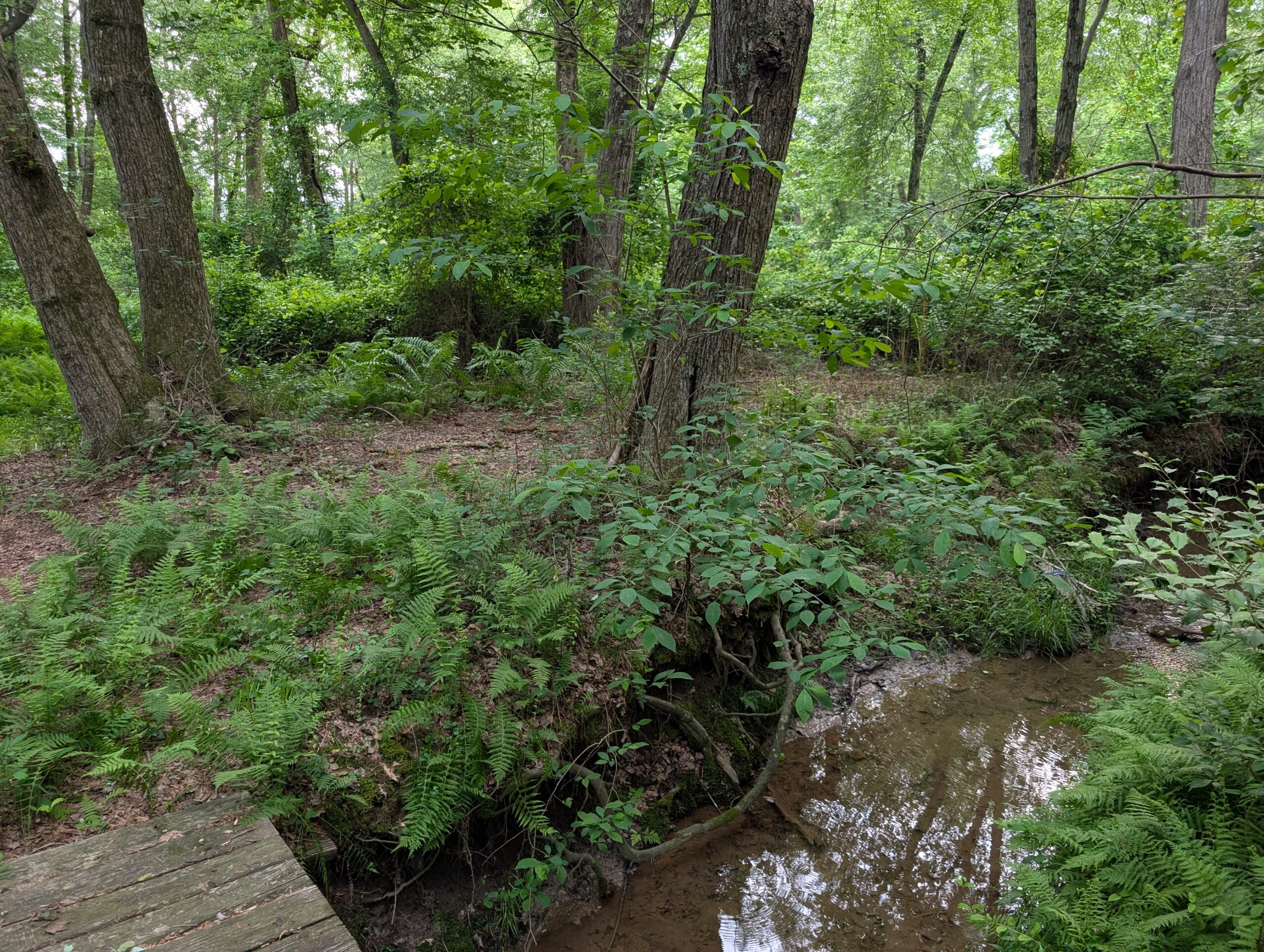
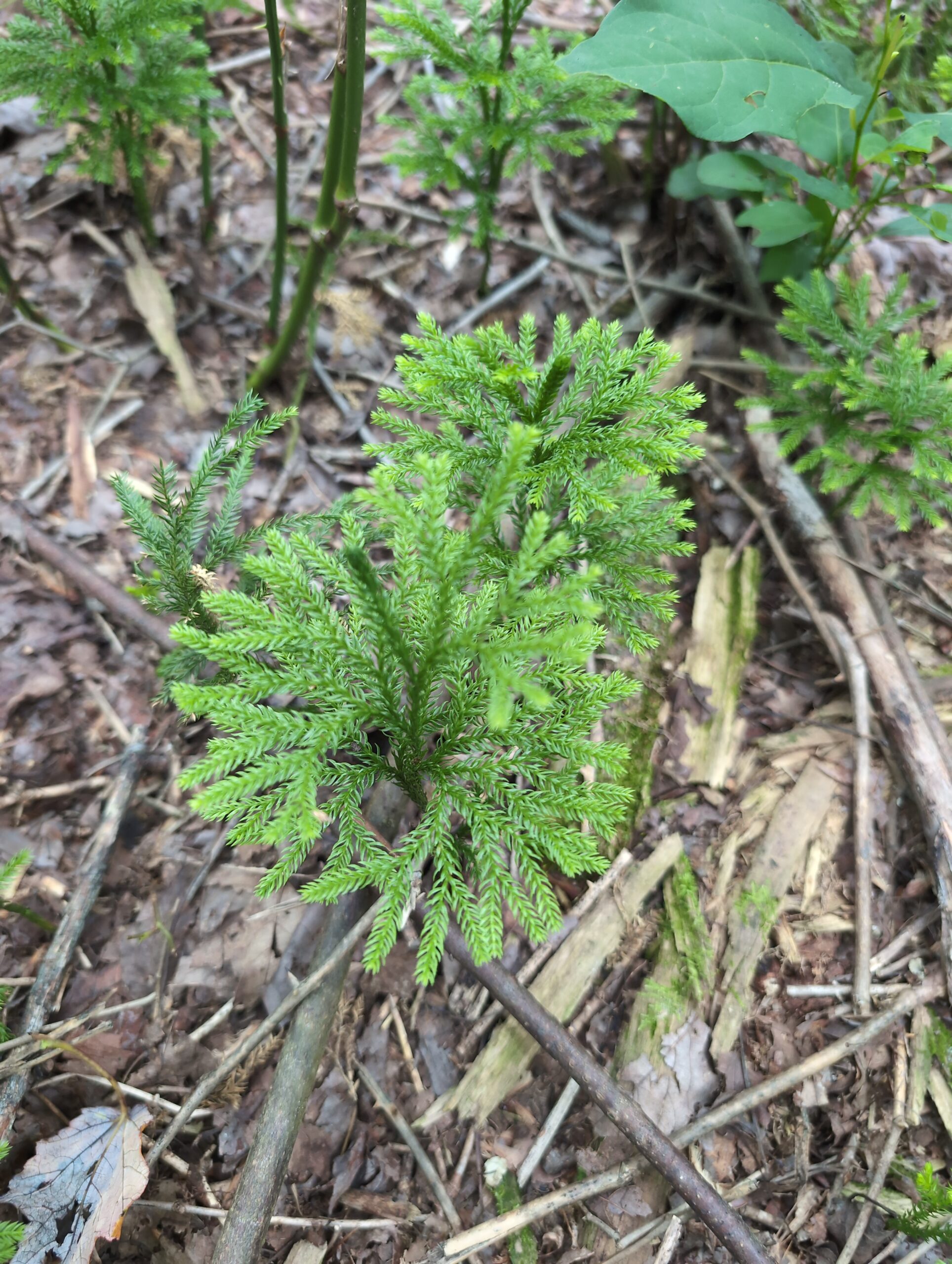
Active habitat development for native fauna including birds, pollinators, and beneficial insects through selective woodland management and native planting.
Allison Tjaden in
PLENTY Magazine
Allison Tjaden is a contributing writer for PLENTY, the magazine celebrating Montgomery County’s 93,000-acre Agricultural Reserve. Her writing brings a grounded, firsthand perspective to topics that too often remain abstract in mainstream environmental media — shaped directly by her experience managing The Bluebird Farmstead Project alongside Robert.
Allison’s articles offer readers practical guidance rooted in real experience, reflecting the same ethos that drives the design practice: you earn your authority by doing the work yourself.